
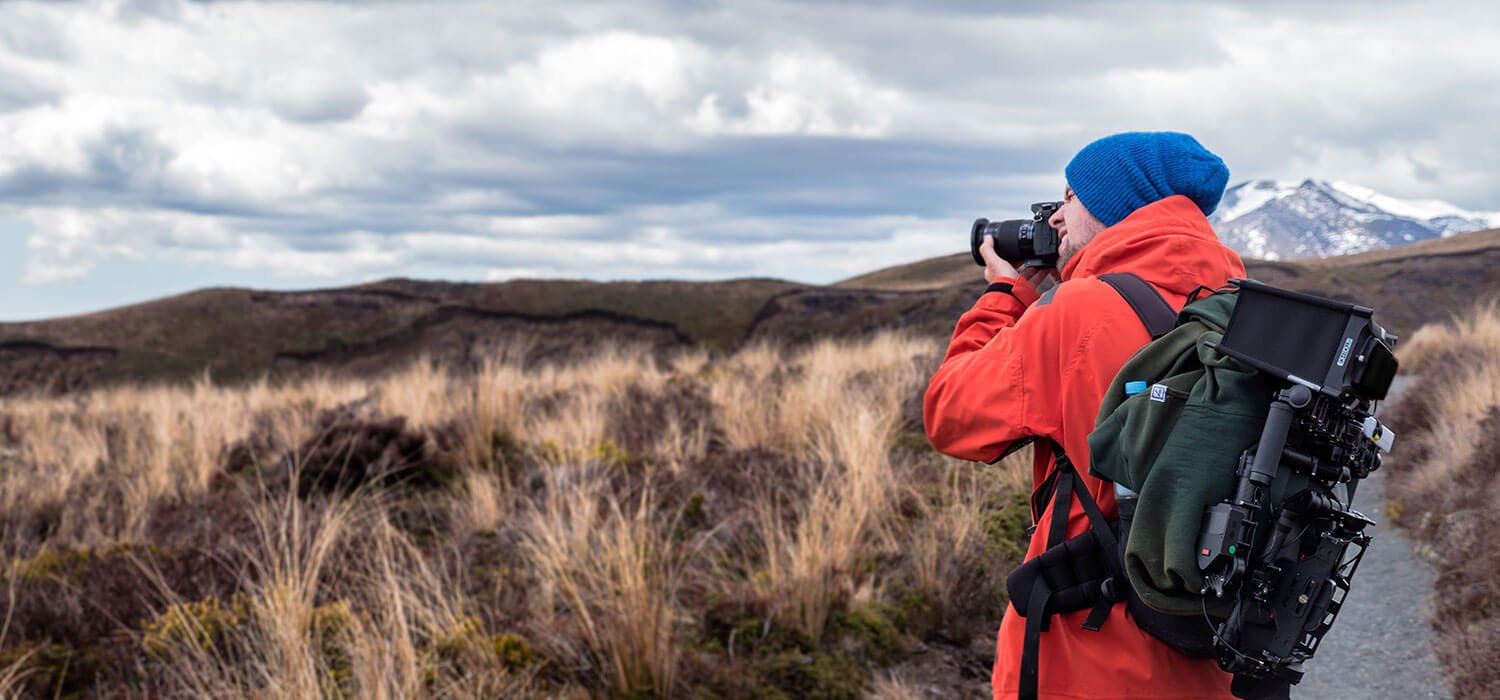

Plan your spending before you start your journey, so you can enjoy the experience with greater peace of mind.
A memorable trip doesn’t have to mean an unlimited budget. The key is knowing how much you can comfortably spend and planning your journey around it.
Before booking anything, create a realistic travel budget that includes both your expected expenses and a little extra for unexpected costs.
Start With the Big Expenses
Begin by estimating the major costs of your trip:
- ✈️ Flights — Return airfare, baggage and seat selection
- 🏨 Accommodation — Hotels, resorts or other stays
- 🍽️ Food & Dining — Daily meals, drinks and special dining experiences
- 🚕 Transportation — Airport transfers, taxis, trains, buses or rental cars
- 🎟️ Activities — Tours, attractions, tickets and experiences
- 🛂 Travel Documents — Visa fees and other applicable requirements
- 🛡️ Travel Insurance — Coverage for eligible travel-related risks
- 🛍️ Shopping & Souvenirs — Gifts, clothing and personal purchases
- 💰 Emergency Fund — Money reserved for unexpected expenses
Use a Daily Travel Budget
One of the easiest ways to control your spending is to establish an approximate daily budget.
For example:
Daily Budget = Food + Local Transportation + Activities + Personal Spending
If you’re traveling for seven days, multiply your estimated daily spending by seven and then add your major expenses such as flights and accommodation.
Don’t Forget Hidden Costs
Travel expenses can sometimes go beyond the initial booking price. Depending on your trip, consider costs such as:
- Airport transfers
- Baggage fees
- Hotel taxes or service charges
- Attraction fees
- Currency exchange costs
- SIM cards or mobile data
- Tips
- Local transportation
- Travel accessories
- Unexpected purchases
Planning for these expenses in advance can help prevent unpleasant surprises during your holiday.
Keep an Emergency Buffer
Avoid spending your entire travel budget before your trip begins.
Keeping an additional amount aside can provide flexibility if your plans change, you need unexpected transportation, or an unforeseen expense occurs.
The amount you reserve will depend on your destination, trip length and personal circumstances.
Choose Where to Spend and Where to Save
You don’t have to spend equally on everything.
If a memorable hotel experience is important to you, you might choose to save on transportation or dining. If food is a major part of your travel experience, you may prefer a simpler hotel while spending more on local restaurants.
The best travel budget is one that reflects your priorities.
Sample Travel Budget Structure
| Expense | Estimated Budget |
|---|---|
| Flights | 30% |
| Accommodation | 25% |
| Food & Dining | 15% |
| Local Transportation | 10% |
| Activities & Experiences | 10% |
| Shopping & Personal Expenses | 5% |
| Emergency Buffer | 5% |
These percentages are only an example. Actual costs vary significantly depending on the destination, season, travel style and individual choices.
Anke Travel Co. Tip
Don’t ask only, “How much will this trip cost?”
Ask:
“What kind of experience do I want, and how much am I comfortable spending to have it?”
Once you know your priorities, it becomes much easier to build a travel plan that feels enjoyable without putting unnecessary pressure on your budget.

Leave a Reply